

A beautiful chandelier can make an entrance, but it cannot do every job in a room. The best lighting plans combine ambient light, focused task lighting and softer decorative light so a space works from morning to evening. At Ellie Mroz Design we think of lamps and fixtures as part of the furnishings story: they bring scale, personality and warmth to a home.
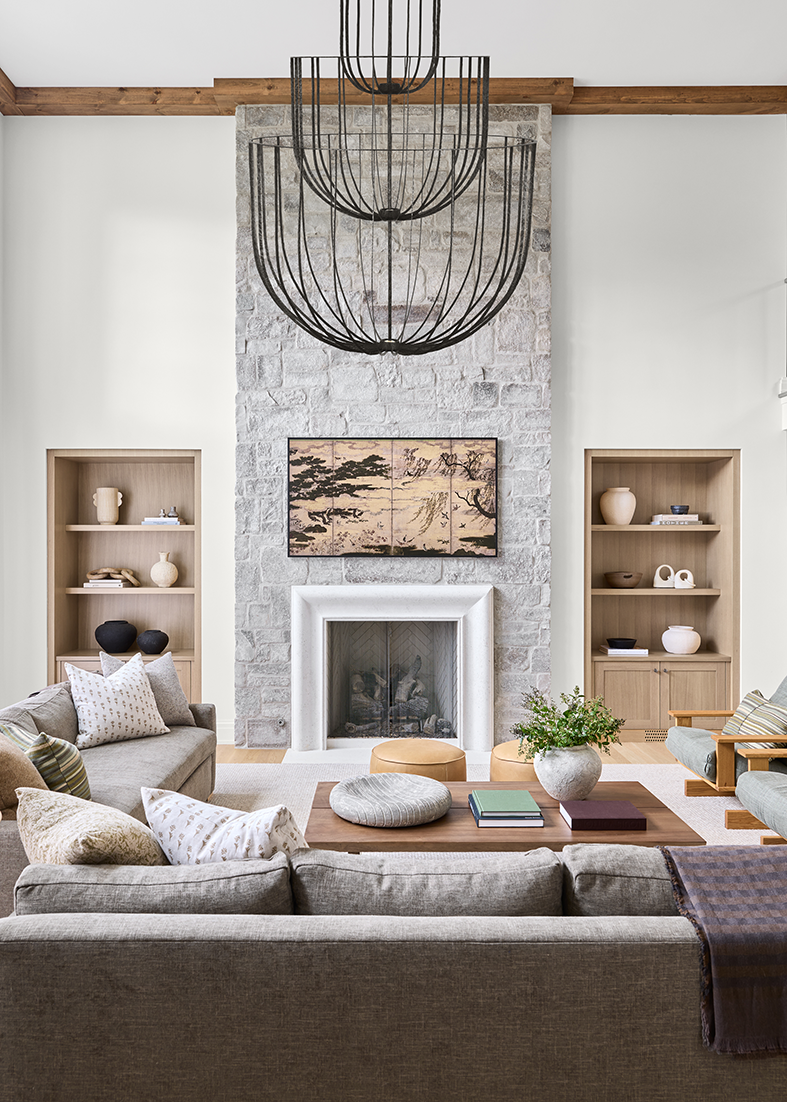
What is layered lighting?
Layered lighting means using different sources for different purposes. Ambient lighting gives a room its overall illumination. Task lighting helps with reading, cooking or working. Accent and decorative lighting create atmosphere and draw attention to the details you want to notice. In a living room that might mean discreet ceiling lights, a pair of reading lamps, and a decorative sconce or picture light.
Decorative fixtures with real presence
A pendant or chandelier should feel in proportion to the room and the furniture beneath it. Oversized is not automatically better. Consider ceiling height, sightlines, table dimensions and the view from adjoining rooms. The right fixture adds personality without dominating everything around it.
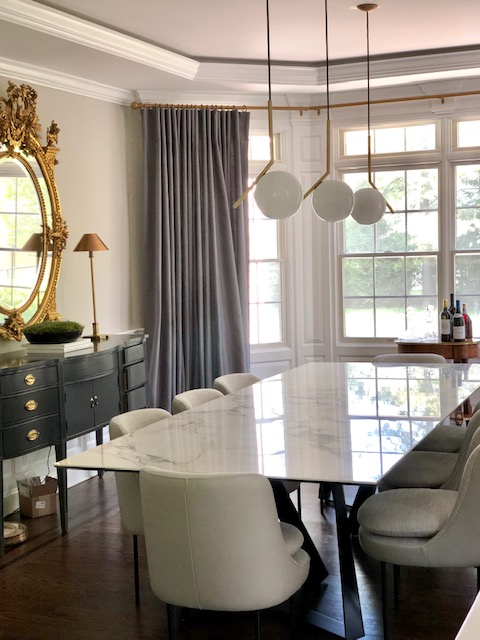
Lamps that make rooms feel lived in
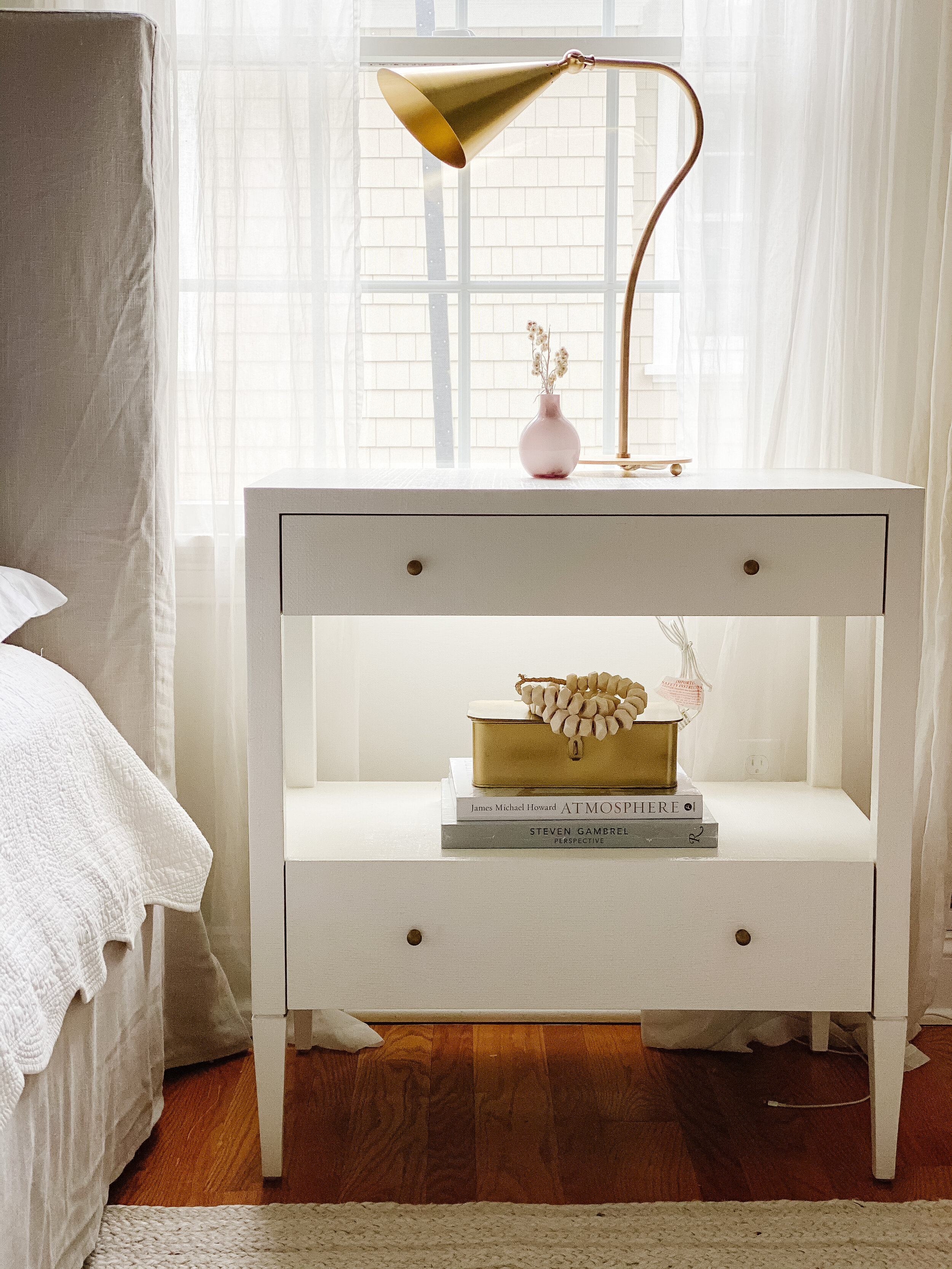
Table and floor lamps create pools of light that make seating areas inviting. They also introduce materials — ceramic, metal, glass or fabric — that can echo the room's furnishings. In larger rooms, lamps help break one big space into smaller, more comfortable places to gather.
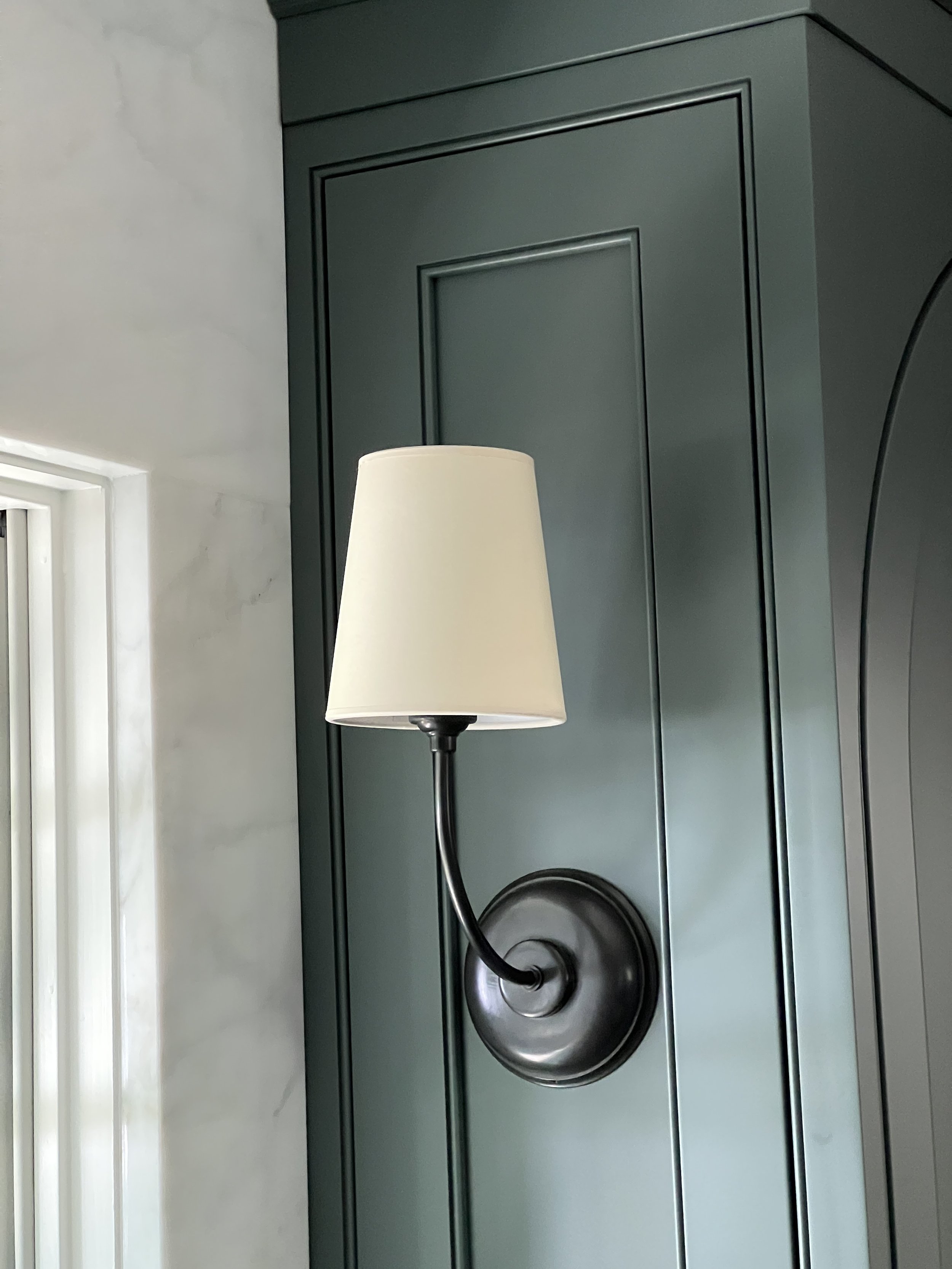
Sconces and picture lights as architectural details
Sconces can frame a doorway, illuminate a reading corner, or bring rhythm to a hallway. Picture lights can add focus to art or built-ins. Their placement matters: coordinate them with the millwork, artwork, furniture heights and electrical plan before walls are finished.
Warmth, control and flexibility
Lighting should respond to the time of day and the activity in the room. Dimmers and carefully chosen color temperatures can help a space transition from functional to relaxed. Fixture selection should also consider bulb compatibility, glare and maintenance, not just appearance.
When should lighting be planned during a renovation or new build?
As early as possible. Furniture layouts influence where reading lamps belong, where a chandelier should center, and whether a wall sconce will be blocked by a tall cabinet. On MRCxEMD projects, coordinating construction and interior decisions early helps avoid expensive changes later — Michael Robert Construction has written about the same coordination from the build side, in the luxury home details you feel every day.
Do you need recessed lights in every room?
No. Recessed lighting can be useful, but too many ceiling fixtures can make a room feel flat or overly bright. A balanced plan considers natural light, ceiling height, task needs and decorative fixtures. The goal is not the maximum number of lights; it is the right light in the right places.
From a single room to a complete home, we consider lighting alongside furnishings, art, window treatments and the way you live. See it at work in Yellowstone Refformation, or read our take on 2027 furniture trends.