

Traditional interiors are having a moment — but the most appealing version does not feel formal or frozen in time. Today's collected rooms pair familiar shapes with comfortable seating, interesting art, natural materials and the occasional unexpected detail. The result feels warm and personal rather than perfectly matched. That is a point of view we love at Ellie Mroz Design: classic at heart, never predictable.
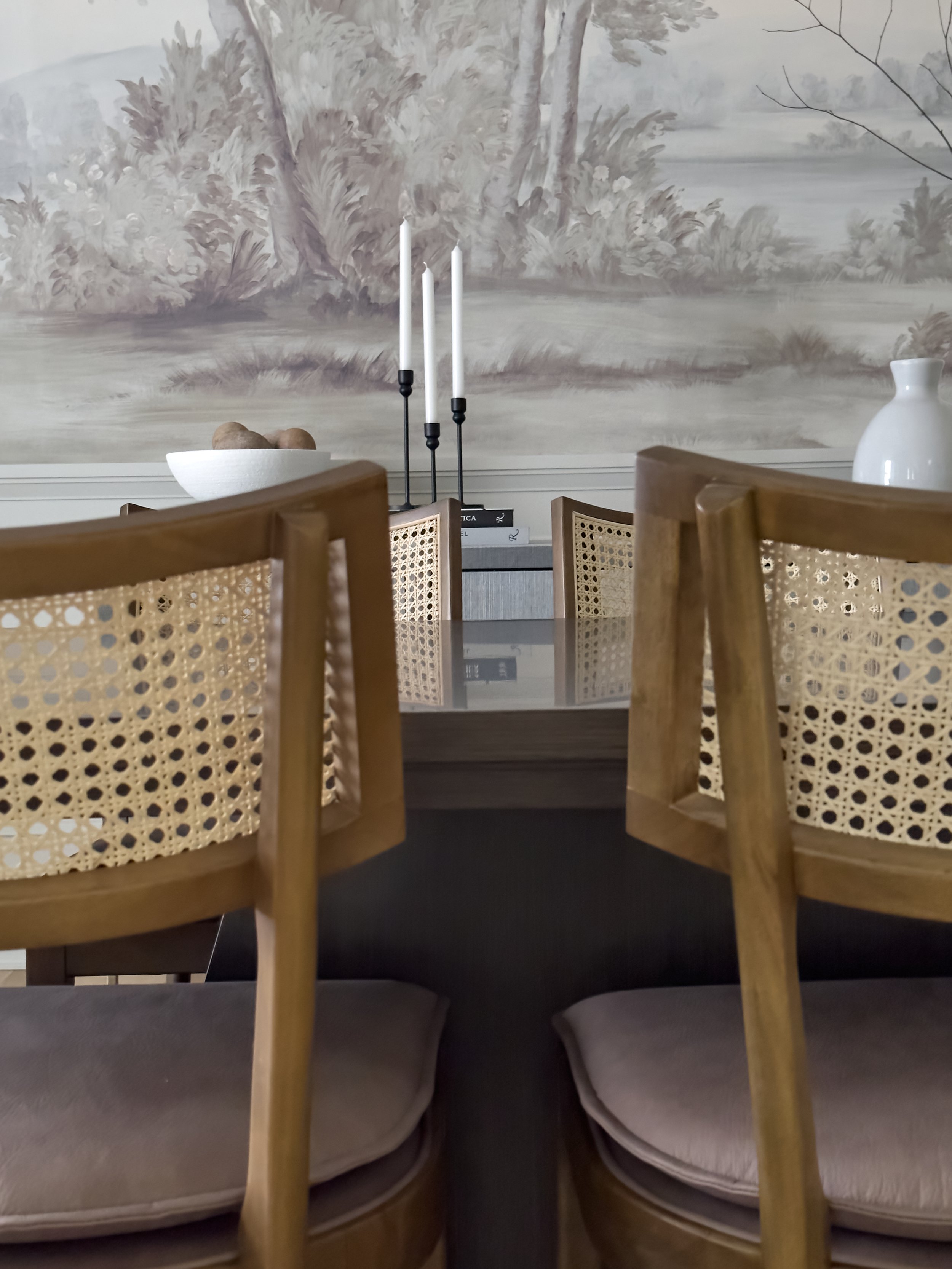
What is modern traditional interior design?
Modern traditional design combines the familiarity of classic furnishings and architectural details with the ease of contemporary living. Think an antique wood table with fresh upholstered chairs, tailored window treatments next to modern art, or a traditional sofa in a fabric that feels completely current. It is a balance, not a formula.
Why are people drawn to collected rooms?
A home feels richer when its contents have different stories. Not every object needs to be old, expensive or rare. A family heirloom, a beautifully made new sofa and an art piece discovered on a trip can belong in the same room when the scale, palette and layout are considered together. This approach also leaves room for a home to evolve.
Mix eras, but keep a common thread
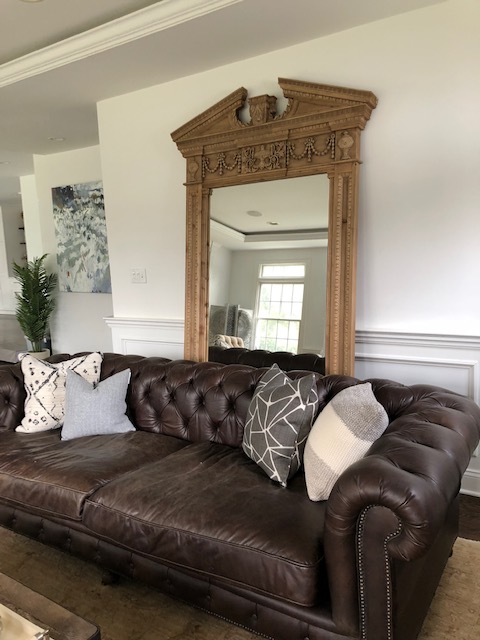
One of the easiest ways to combine old and new is to repeat a color, finish or visual weight. A vintage side table can sit happily beside a modern sofa when the wood tone connects to another piece. An ornate mirror can feel fresh above a restrained console. Resist the temptation to match everything; a little tension makes a room interesting.
Pattern should feel layered, not loud
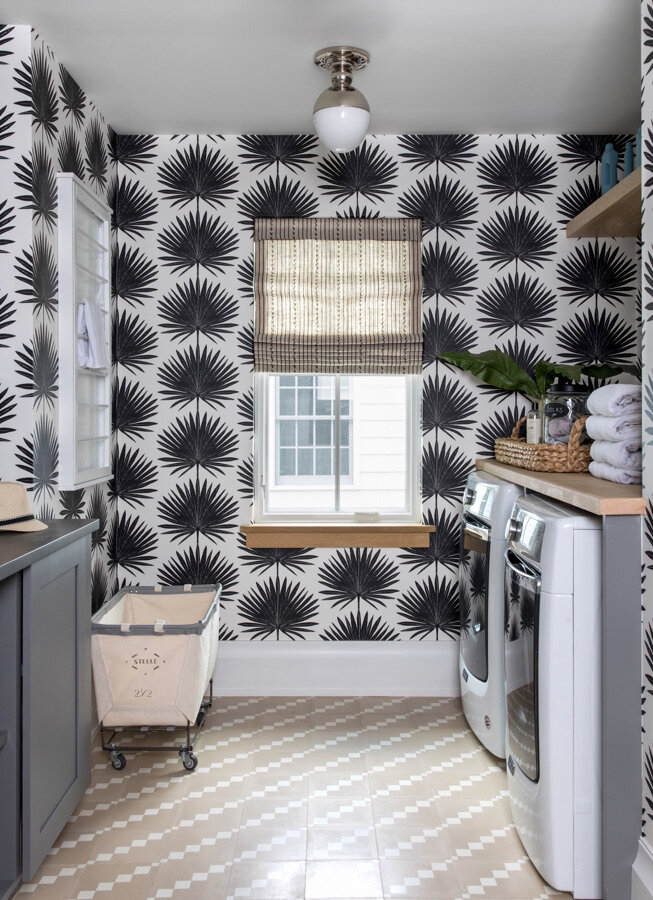
Stripes, checks, florals and small-scale prints can coexist when their scales vary. Start with one textile you love, then build a supporting cast of quieter patterns and solids. A room does not need to be colorful to be layered — texture and subtle tonal shifts can do just as much work. We go further into this in using color and pattern so a room stays timeless.
Comfort is what makes the look current
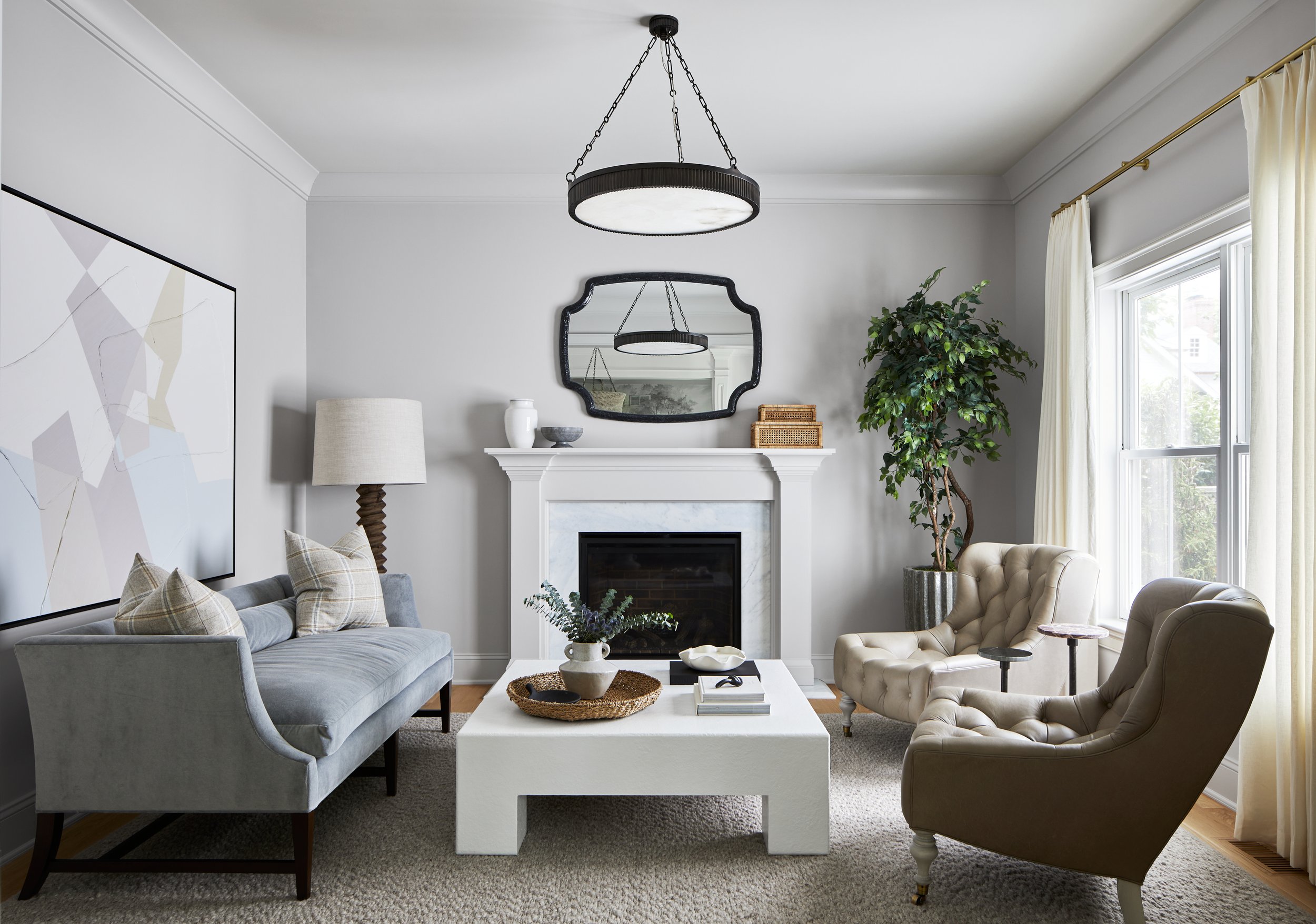
The traditional rooms that work best today are designed for how people actually live. Seating should invite conversation. Fabrics should suit children, pets and everyday use. Beautiful antiques should not turn the room into a museum. The goal is a home that looks thoughtfully considered and still feels relaxed.
Can traditional interiors work in a new construction home?
Absolutely. In a newer home, furniture, lighting, drapery and millwork can create a sense of depth that the architecture may not yet have. Start with the room's proportions and circulation, then introduce pieces with different ages and textures. A cohesive plan is especially important when furnishing several rooms at once — Chatham Charm was furnished room by room for exactly that reason.
How do you keep a traditional room from looking dated?
Avoid buying an entire matching suite. Give important pieces breathing room, mix in contemporary artwork and pay attention to the lighting. Choose quality and personal relevance over a checklist of trends. The room should tell your story, not recreate a showroom.
Explore our portfolio of warm, layered interiors or talk with us about furnishings that make your home feel collected, comfortable and distinctly yours.