

It is the question we get more than any other, usually in the first twenty minutes, usually with a slight wince: I don't really know what my style is.
Good. You do not need to. Almost nobody can name their style, and almost everybody recognizes it instantly when they see it — which is a completely different skill, and the only one that actually matters. Naming it is our job. Recognizing it is yours, and you are already better at it than you think.
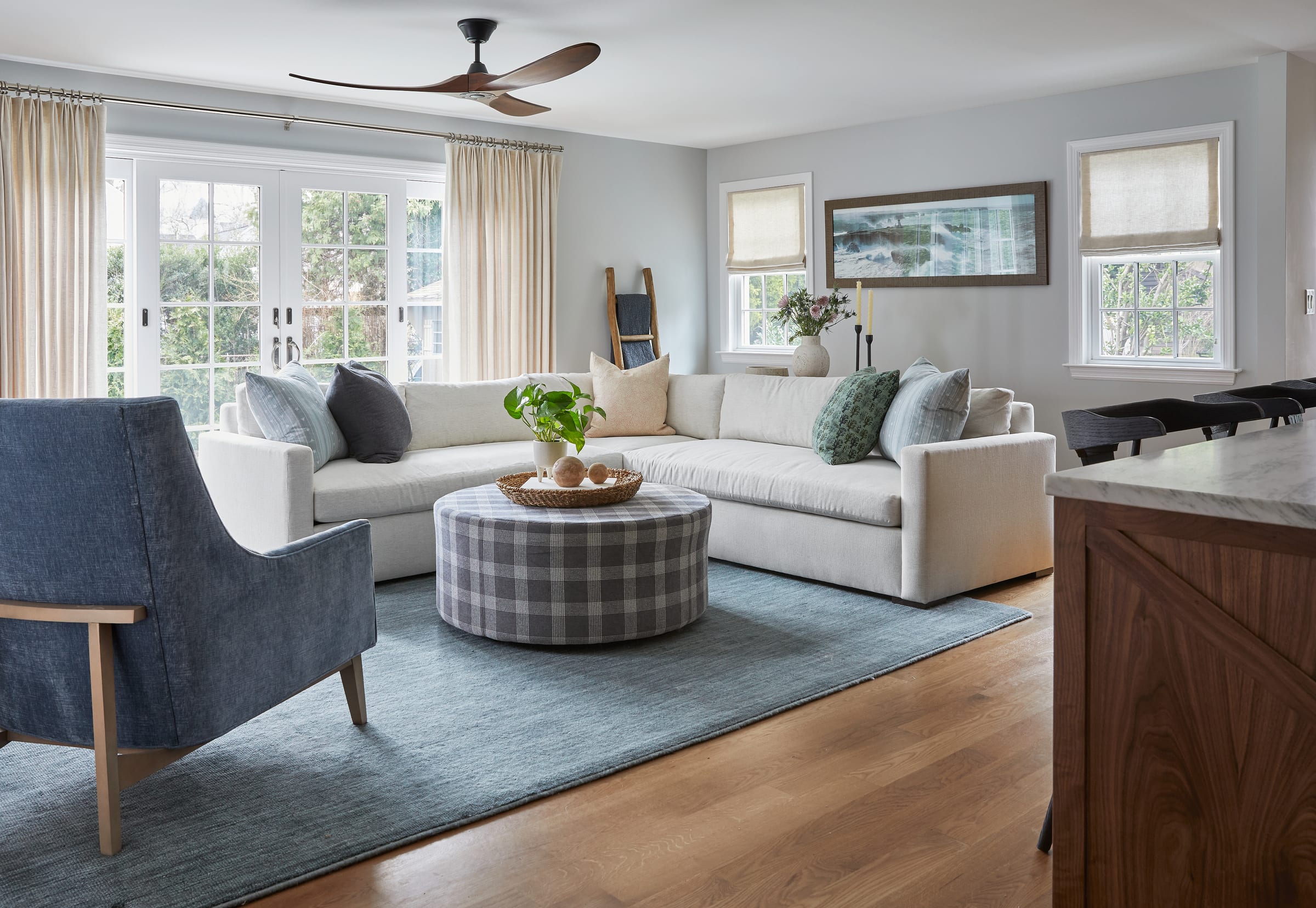
Start with a Pinterest board, and take your time
Before we source a single thing, every client gets a privately shared Pinterest board, organized room by room. You get one to two unhurried weeks with it, and that phase has one rule: save what you like without explaining why.
It is the easiest part of the whole project and, honestly, the most fun. Nobody is watching, nothing is being ordered, and there is no wrong answer. Meanwhile we are reading it — and a board tells us far more than an adjective ever does.
Four things make that phase work much better:
- Save whole rooms, not single objects. A chair tells us you like a chair. A room tells us how much light you want, how much pattern you can live with, and how formal you actually are.
- Do not curate it. The board is not a presentation. If you find yourself deleting a pin because it does not go with the others, stop — that clash is the most useful thing on there.
- Save what you hate, too. Knowing what makes you flinch narrows a project faster than knowing what you love.
- Skip the captions. You do not have to articulate it. Finding the pattern is what you are hiring us for.
Two people in a household can work the same board separately and still end up collaborating, which is usually how it goes:
“by using a privately shared pinterest board, we were able to easily communicate and decide on the best options for each room. Communicating via pinterest allowed us the freedom to work individually, while simultaneously collaborating, so that one could pick up where the other left off.”
— V.J., Westfield, NJ
By the end of it the pattern is visible, and it is almost never the one the client predicted out loud.
Let the house have a vote
Here is the part most style quizzes leave out entirely: you are not decorating in a vacuum. You are decorating inside a building that already has a strong opinion, and around here those opinions are unusually good.
Westfield, Summit, Chatham and Short Hills are full of genuinely characterful housing stock — 1920s and 1930s Colonial Revivals, center-hall Colonials, Tudors, stone-and-shingle houses, Victorians with real porches, mid-century ranches, and farmhouses that predate most of the street. That architecture is the first constraint on your style, and it is the most useful one you will get, because it rules out a great deal for free.
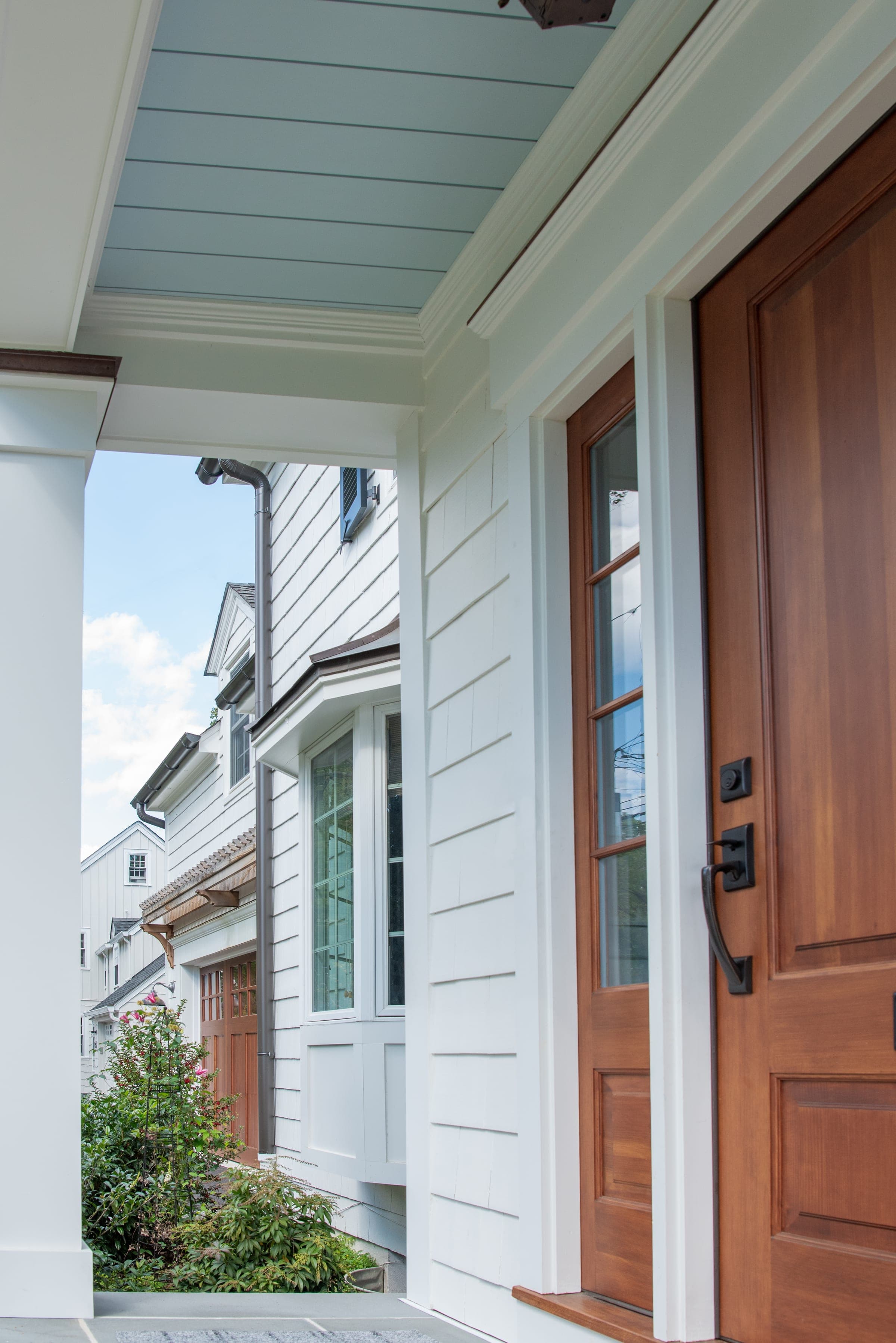
Working with the house does not mean surrendering to it. In Bricks and Stones, a 1929 stone-and-shingle Colonial Revival, the kitchen went sage green with a soapstone island — warmer and quieter than either a period reproduction or a white box would have been, and unmistakably of that house. In Operation Restoration Dudley, a 1905 Westfield home, the kitchen is white and classic with plain oak shelving beside it: a modern plank against tile a century older.
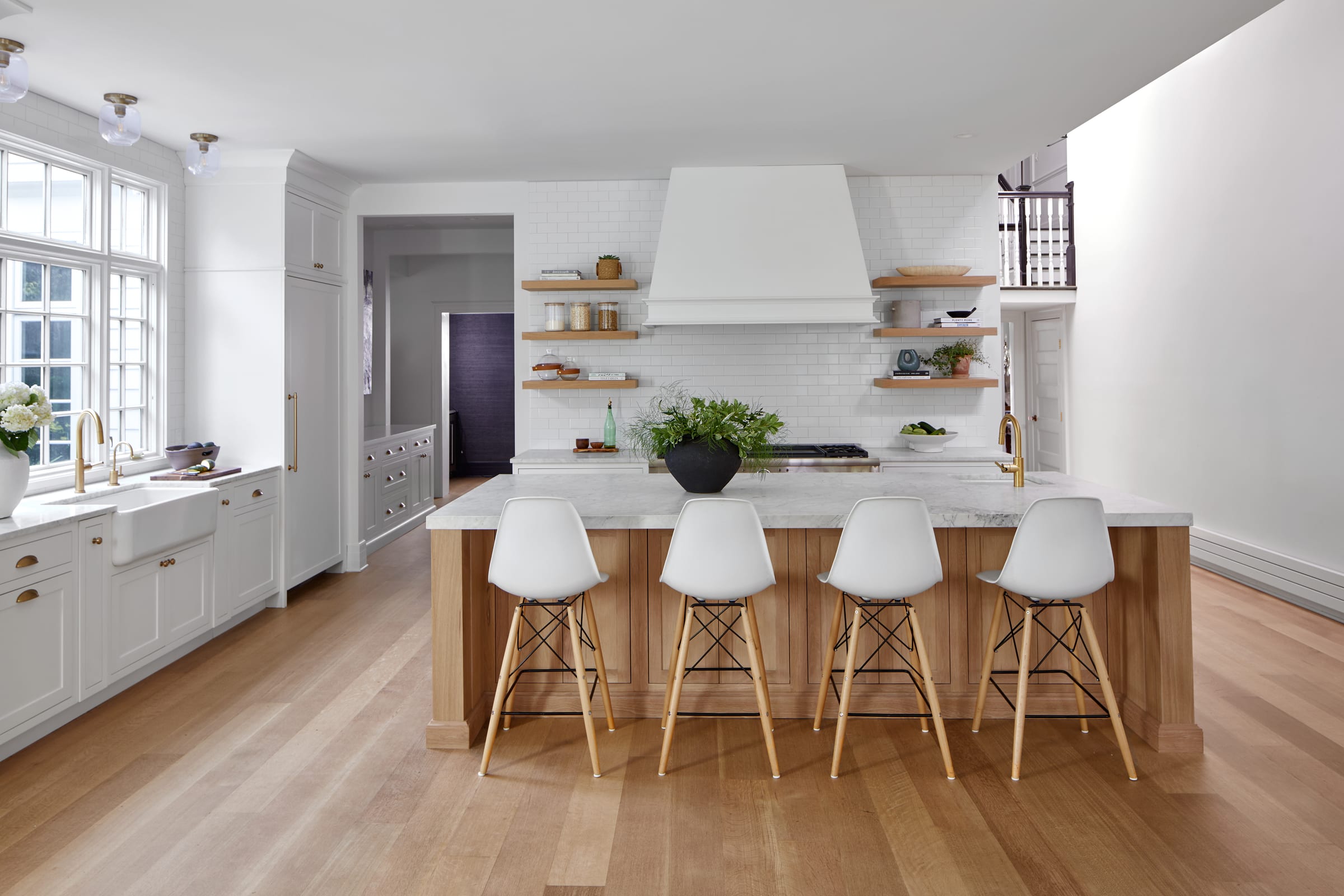
And sometimes the house is new and the rules are yours to write. Casacquasanta was built new among classic Westfield homes and went modern California with Spanish notes — which works precisely because it was a decision rather than an accident.
The test is simple. If the house is fighting you, one of you is wrong, and it is rarely the house.
Eight styles, and what each is really asking of you
Styles are not boxes to be sorted into. They are shorthand for a set of trade-offs — how much light, how much pattern, how formal, how much upkeep. Read them that way.
Modern Traditional
Timeless bones with contemporary furniture: crown molding against streamlined upholstery, subtle pattern in pinstripes, soft florals or a classic plaid, and materials that stay honest — wood, linen, stone. It asks you to be comfortable with a little formality. It is the most natural fit for the classic New Jersey Colonial, and it is where a great many of our projects land.
Transitional
The diplomat. A tufted armchair beside a sleek table, neutrals carrying the room — ivory, taupe, gray-brown — and texture doing the work color usually does. It avoids extremes on purpose, which makes it the safest answer and occasionally the least interesting one. It asks you to commit to something somewhere, or the room stays polite.
Organic Modern
The one clients ask for most by feel and least by name. Clean modern lines warmed by natural material and shape: plaster, oak, boucle, stone with movement, curves instead of corners, and a palette drawn from sand, clay and bark. Modern without the chill.
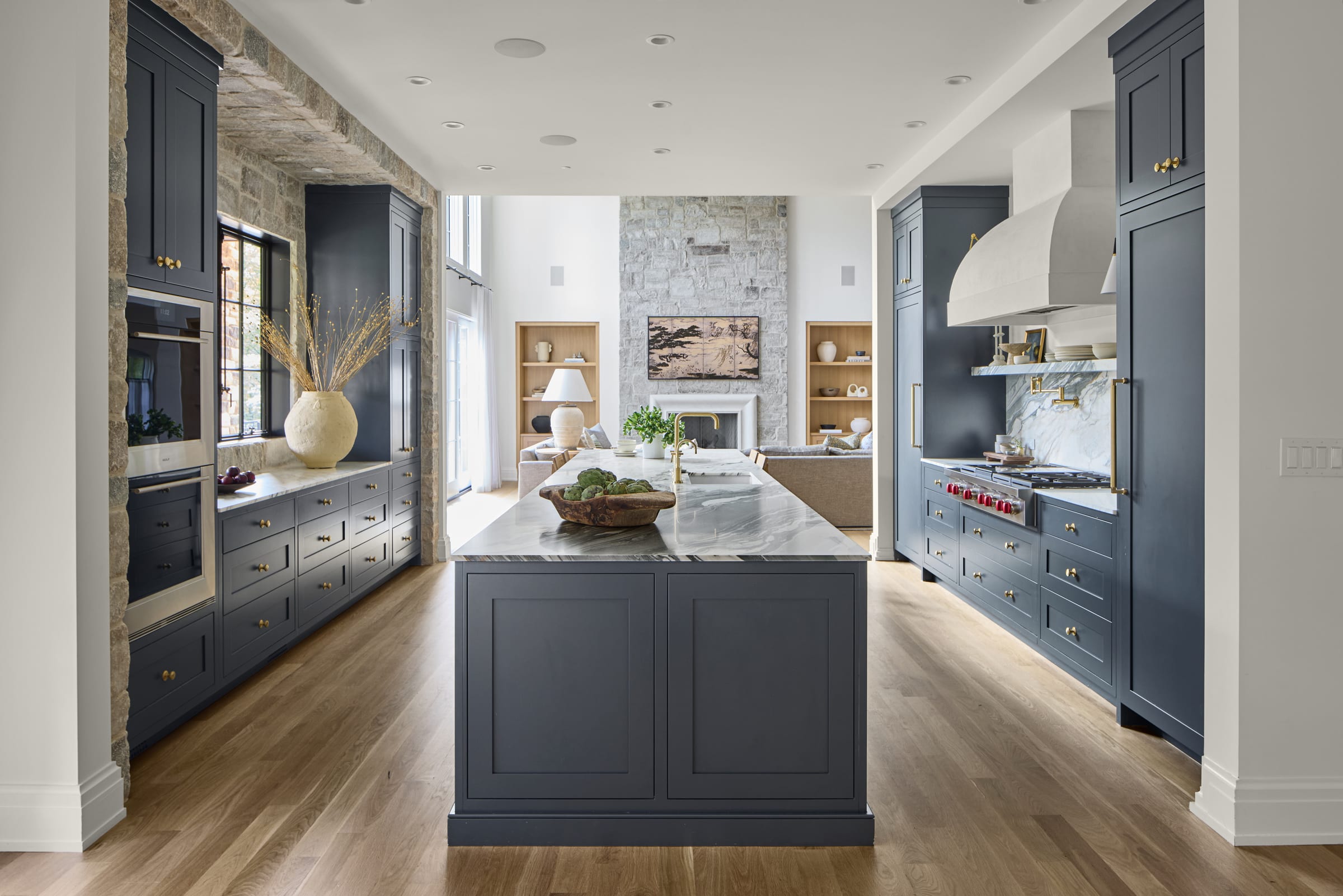
Our Mendham whole-home renovation is the fullest version we have built — a custom blue kitchen with marble, warm oak floors and a sculptural hood, modern in structure and soft in every material. It asks for restraint with color and real generosity with texture, and it rewards both.
Coastal
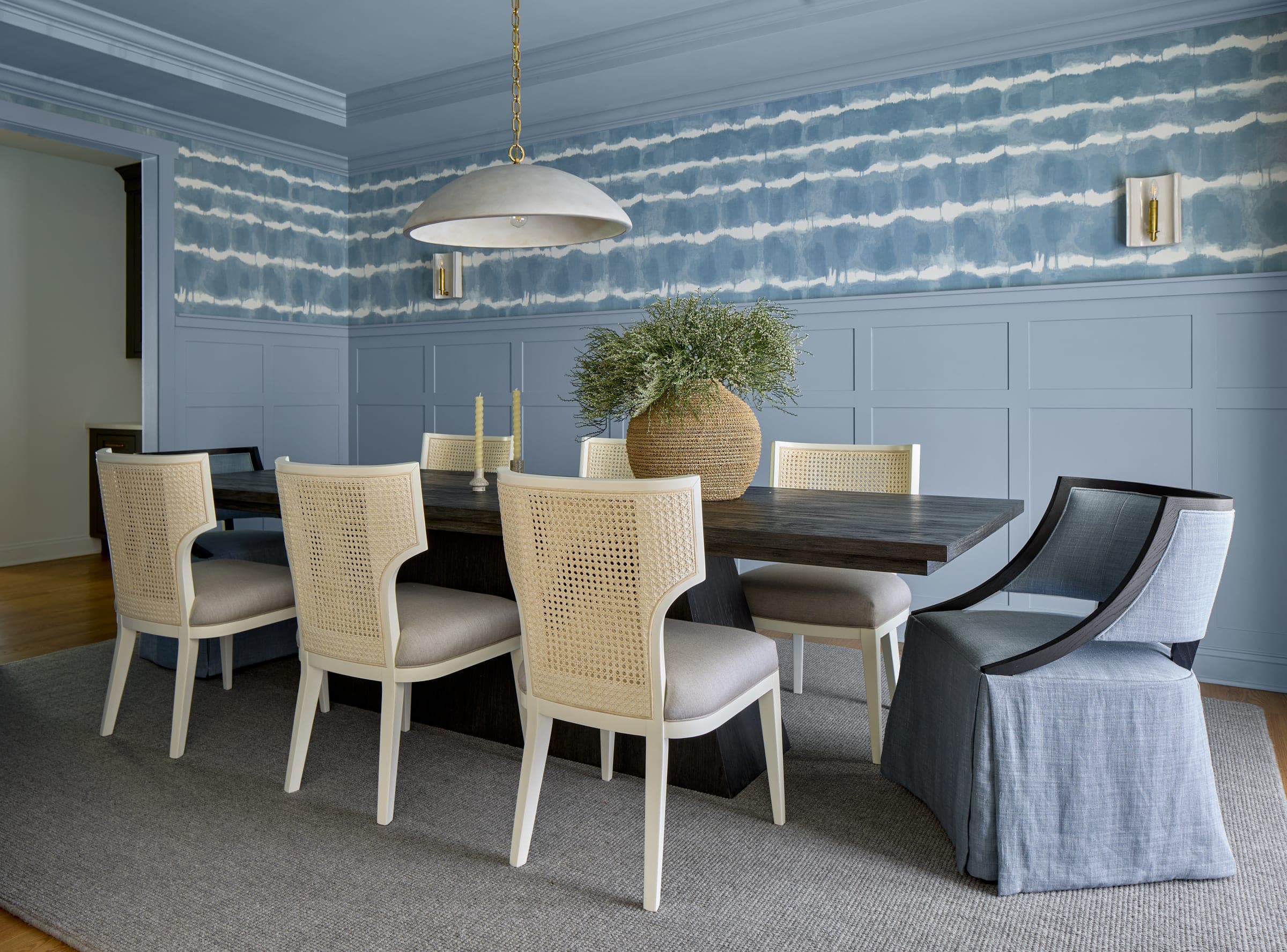
Two versions, and it matters which one you mean. Classic coastal is blue and white, natural fiber, wainscot and stripes — traditional bones in a lighter key. Coastal modern drops the nautical vocabulary entirely and keeps only the palette: sand, sea and sky turned into airy rooms with rattan, driftwood tones and very little clutter. Neither involves a decorative seashell.
You do not need to be near water. What coastal actually requires is light and discipline — it is an uncluttered style, and it looks wrong the moment a room gets busy.
Mid-Century Modern
Low furniture on tapered wooden legs, clean geometry, earthy-but-bold color — mustard, teal, burnt orange — and a few strong pieces carrying the whole room. It suits open plans and big windows, and it genuinely suits a ranch. It asks you to live with less, because the style collapses under clutter.
Scandinavian
Efficiency with warmth: pale wood, white walls, cozy textiles, and decoration that is minimal but deliberate — a woven rug, a soft throw, one good vase. Excellent in smaller rooms and north-facing ones. It asks for tidiness, which is a real requirement rather than a personality flaw.
Industrial
Structure treated as finish: exposed brick, concrete, steel, reclaimed wood, bold pendants, a neutral palette of gray, black and brown. It wants volume and height to work, which in New Jersey usually means a barn, a lower level or a converted outbuilding rather than a whole house.
Eclectic
Many periods and patterns in one room, held together by color, scale or mood rather than by era. It is the hardest to do well and the most personal when it lands, and it is the natural home for people who own things with stories. It asks for a confident editor — which, if you would rather not be one, is an entirely reasonable thing to hire.
Three questions worth more than any style quiz
If you want a shortcut, skip the quiz and answer these honestly:
- How much light do you want? This single answer separates coastal and Scandinavian from industrial and heritage-traditional faster than anything else.
- How much pattern can you live with? Some people relax in a patterned room and some find it loud. There is no correct answer and there is definitely a correct answer for you.
- What actually happens in this room? Homework, dogs, cocktails, television, nobody at all. Function narrows style more honestly than taste does.
Almost everyone is a blend, and that is the right answer
Pure style is a magazine construct. Real houses land between two or three of the above — modern traditional with organic modern materials, coastal bones with a moodier room to balance them — and the blend is what makes a house look like a particular family rather than a catalog.
If two references you love seem to contradict each other, that tension is not a problem to resolve. It is usually the most specific thing about your taste, and we would rather design into it than average it away. More on that in Ralph Lauren meets Nancy Meyers.
What happens after the board
Once the pattern is clear, we measure, draw the floor plans and develop concepts, then bring three to eight options for each piece and real physical samples to our Westfield studio so you can touch everything before a dollar is committed to furnishings. Sourcing starts after your style is settled, not before — which is the entire reason the Pinterest phase exists.
Start with the board. Bring the contradictions. Full-service furnishings handles the rest, and you can start a project whenever you are ready — you are allowed to arrive without the answer.