

A sophisticated home should support the way you actually live. That is the whole brief, and it is harder than either half on its own — plenty of houses are beautiful and unusable, plenty are practical and joyless. These are the ten decisions where the two either meet or come apart, ranked by how much they cost you to get wrong.
1. Luxury does not mean precious
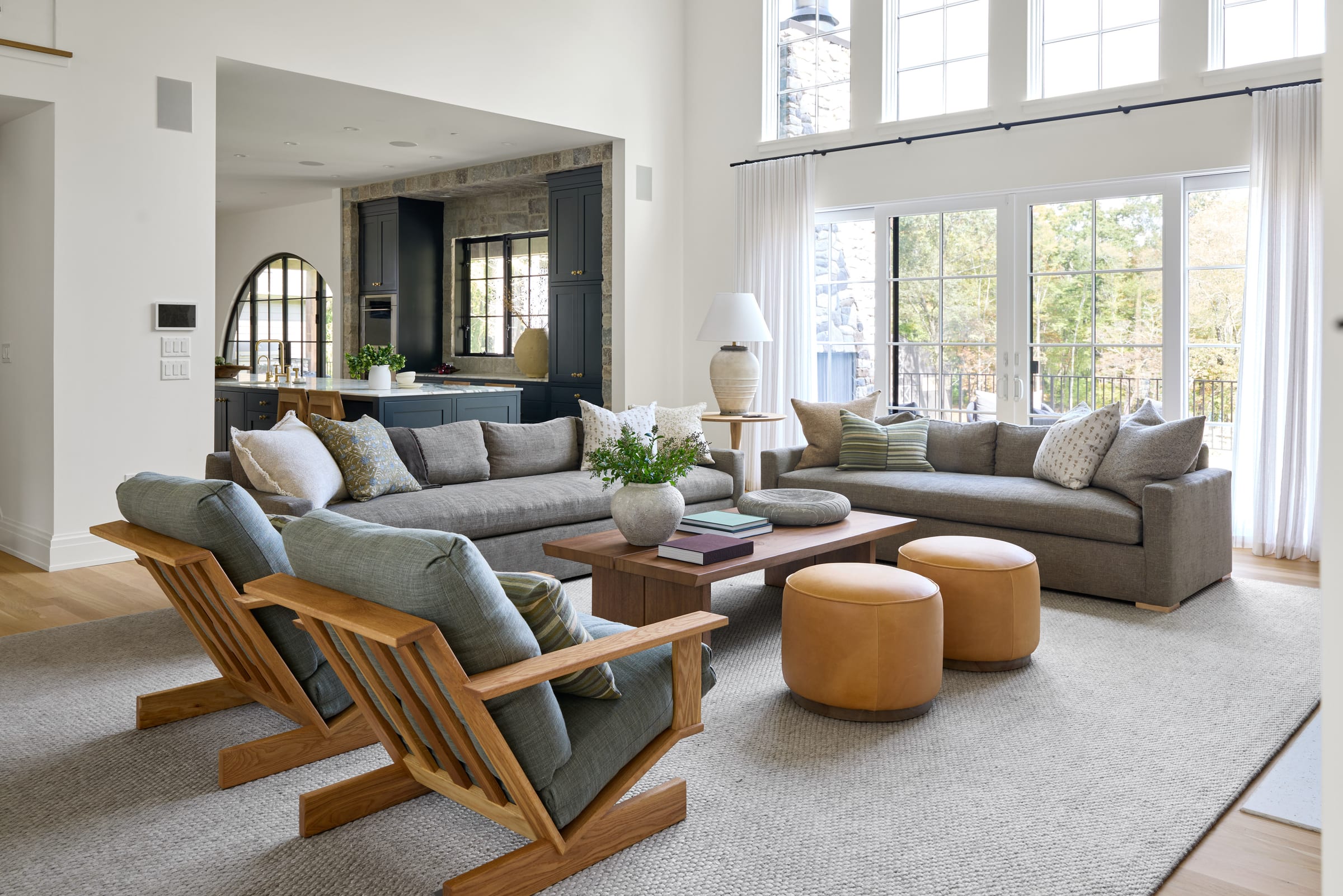
The one everything else depends on. A room you tiptoe through has failed, however well it photographs. Nothing should be specified that the household will be afraid of — not the rug, not the upholstery, not the coffee table. Elevated and untouchable are different things, and only one of them is worth paying for.
2. The prettiest furniture layout is not always the best one
A symmetrical plan photographs beautifully and sometimes ignores where people enter, where the television is, and who wants to talk to whom. We draw the room to scale before anything is ordered, with the walkways marked. If the handsome plan and the workable plan disagree, the workable plan wins and we make it handsome.
3. Lighting matters more than almost anyone expects
One fixture in the ceiling makes a room feel like a corridor. Three or four sources at different heights make it feel like evening. Every light location is also a construction decision, which is why it belongs in the plans and not in the last month — this is the one on the list that is genuinely expensive to revisit.
4. Storage gets designed before anything gets styled
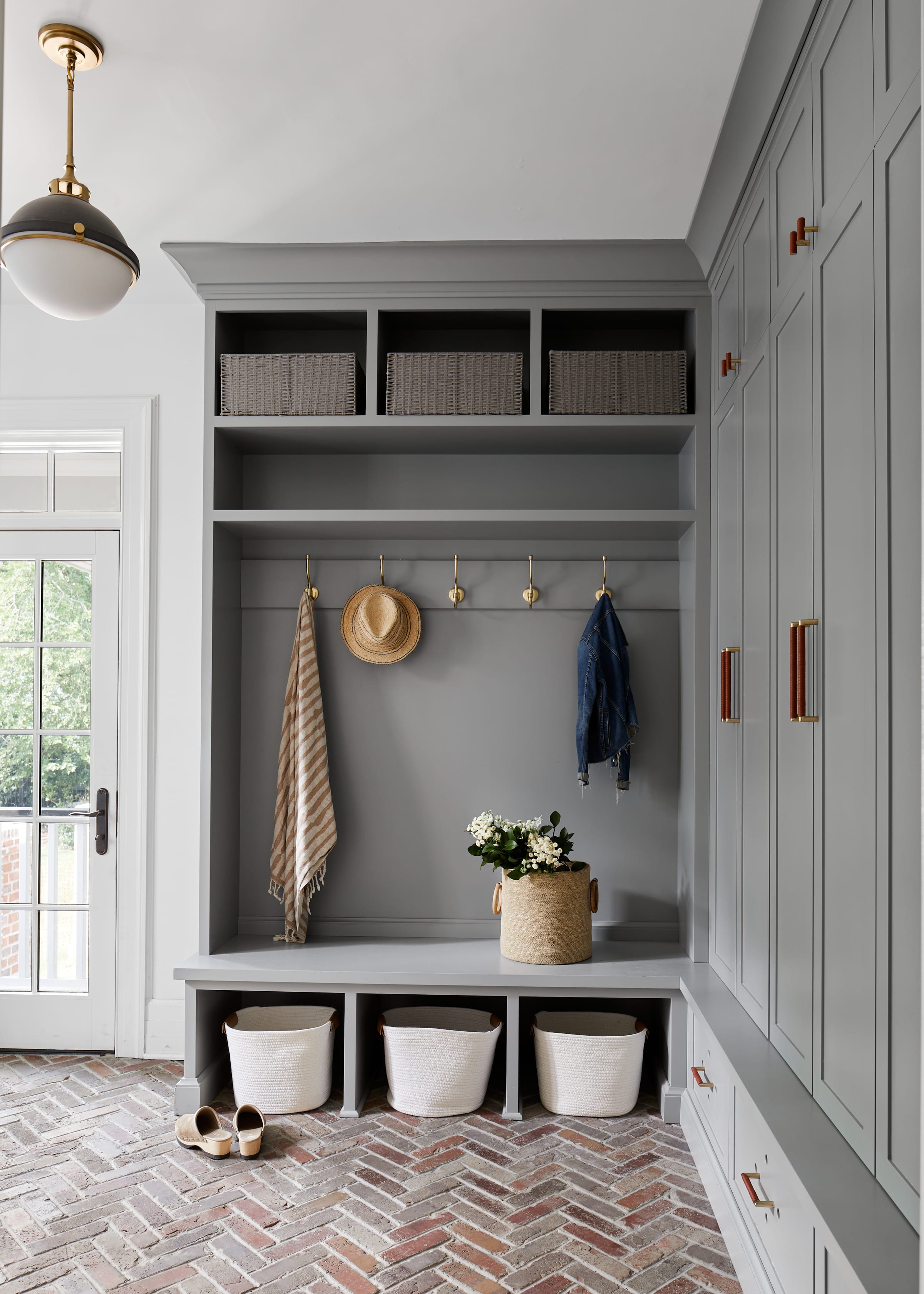
Beautiful rooms fail when there is nowhere to put the things. Mudroom cubbies at the height the children actually are, a bench with drawers under it, a pantry that holds the appliances rather than the counter. In one Westfield renovation the mudroom has herringbone brick underfoot and a plumbed dog wash on the path in from outside — unglamorous, and the detail the family mentions first.
5. Performance fabric, chosen so it does not look like performance fabric
The old trade-off is gone. Solution-dyed acrylics and the better performance weaves clean up with water and no longer feel like patio furniture. Specify them on the pieces that take daily life — the family room sectional, the kitchen banquette, the dining chairs — and keep the delicate fabrics for the rooms that do not get eaten in.
6. Put aside budget for the accessories
This is the line people cut first and regret longest. Throws, trays, vases, bowls, the books on the shelf, the objects on the console — the small layer that arrives last and is the difference between a room that looks delivered and a room that looks like somebody lives there. Furniture sets the structure; this is what makes it read as a finished, considered home.
Leave a real allowance for it from the start, because by the time the sofa arrives the money is usually spoken for and a beautifully planned room sits half-dressed for a year. It does not have to arrive all at once, but it should be budgeted all at once — which is why our furnishings pricing guide counts décor and art inside every room figure rather than treating them as an extra.
7. Plan the phases out loud
Very few houses get finished in one pass and there is no reason they should. Say the second phase aloud at the first meeting — the basement, the playroom, the outdoor kitchen two summers away — because it changes the rug size, the fabric and the paint we choose now.
8. A formal room still needs a job
The living room nobody enters is wasted square footage in an expensive house. Give it a reason: a piano, a bar, a wall of books, the good chairs where people actually talk before dinner. If the room cannot be given a purpose, it should be given a different one entirely.
9. Children's rooms can grow up
A nursery designed as a nursery is a renovation in four years. The furniture, the lighting and the window treatments should be able to stay while the bedding, the art and the paint change. Spend on the pieces that survive the phase and keep the theme where it is cheap to replace.
10. Every room needs one unexpected thing
A hand-painted mural, a color-drenched library, a shape nobody else on the street has. Without it a room is correct, and correct is forgettable. Last on this list because a house works without it — but it is where a home stops looking like a catalog and starts looking like the people in it.
Where this lands
Everything above is a version of the same idea: decide for the life, then make it beautiful, rather than the other way round. It is how we work on full-service projects in Westfield, Summit, Short Hills and Chatham, and it is why those houses still work a few years in.
More on the materials side of this in designer material choices for busy NJ families. If you would like it applied to your own home, start a project and tell us how the house is really used.